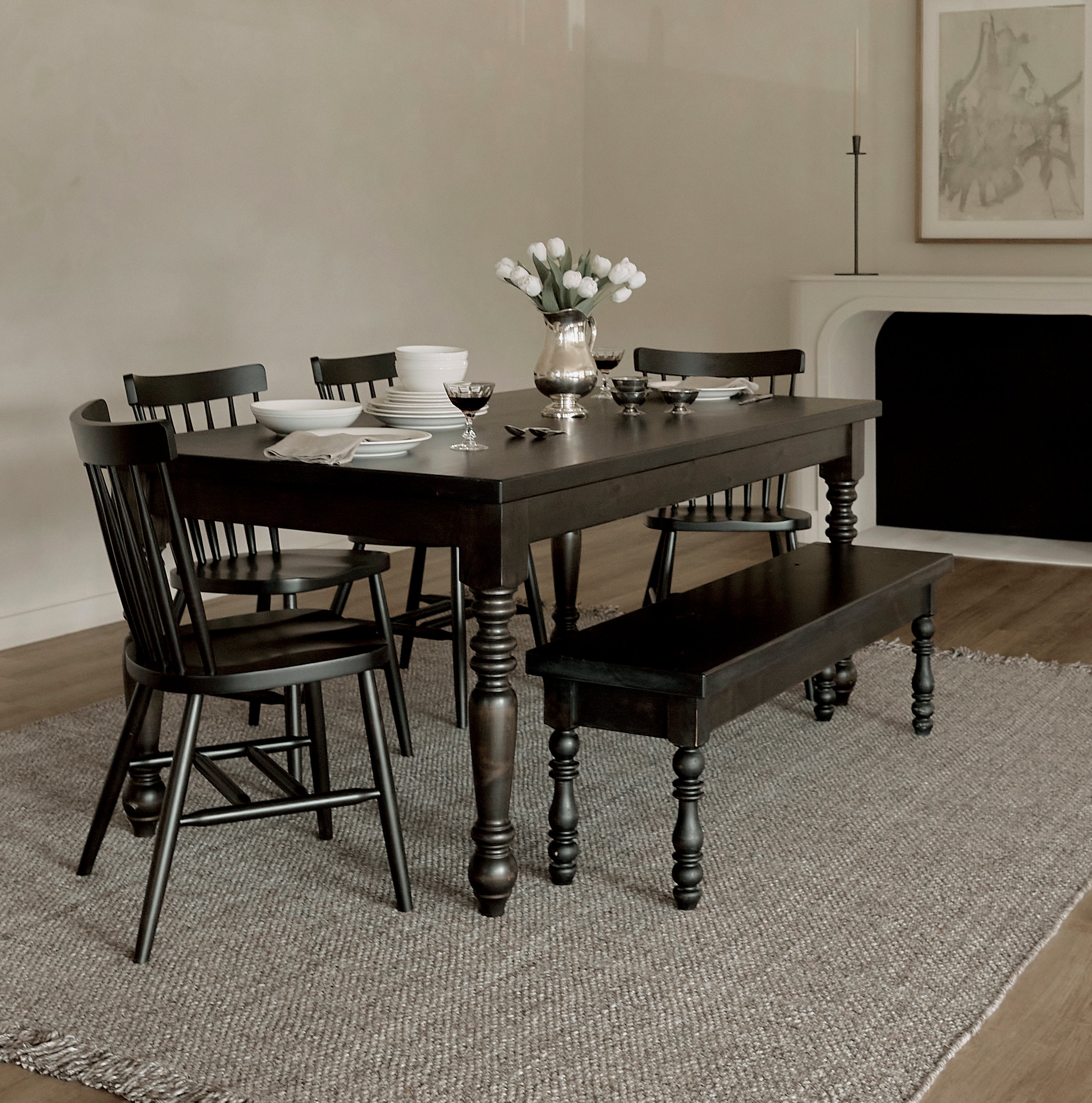
A desk in a shared room needs to work hard without asking the room to become an office.
That is the difference between choosing furniture for a dedicated workspace and choosing solid wood office furniture for a bedroom, guest room, living area, or other space with more than one purpose. The desk needs a proper surface for work, but it should also feel composed when the laptop is closed and the room returns to the rest of daily life.
The right choice is usually less about finding the smallest desk available and more about finding the right balance of function, visual weight, material, and room circulation.
Begin with the Room’s First Purpose
A shared room should not lose its character simply because it also needs a place to work.
In a bedroom, the desk should respect the room’s sense of rest. In a living area, it should feel like part of the larger furniture arrangement. In a guest room, it should leave enough space for the room to remain comfortable when visitors arrive.
Start by asking what the room needs to feel like when work is not happening. This will help you decide how much visual presence the desk should have and how much surface area you actually need.
A desk can be substantial and still belong in a shared room. But it should not interrupt the paths, light, seating, or other furniture that give the room its primary purpose.
Choose a Writing Desk When You Need a Lighter Presence
For many shared rooms, a writing desk is the most natural choice.
It can provide a useful surface for laptop work, correspondence, planning, reading, and the practical tasks that need a proper place. At the same time, its more open profile can allow the room to retain a sense of calm.
We currently offers four writing-desk designs: Olivia, Hathaway, Audrey, and Fulton each with a 30-inch depth. Widths, under-desk clearances, and design details vary by model. That makes it important to compare the specific desk with the wall, chair, and daily work setup you have in mind.
A writing desk can be especially appropriate when:
- The room needs to serve both work and rest
- You primarily use a laptop or a modest screen setup
- The desk will be visible from a bed, sofa, or main entry
- You want to preserve open floor space and sightlines
- The work surface should feel like furniture, not office equipment
The goal is not to make the desk disappear. It is to choose a piece with enough character to belong in the room without asking every other element to compete with it.
Use a Corner Desk Only When the Work Truly Calls for It
A corner desk can work in a shared room, but it should earn its footprint.
The additional surface area may be useful for monitors, active paperwork, or a more complete home-office setup. Many of our desks create a highly capable work zone, but it also changes the room more significantly than a writing desk.
Before choosing a corner desk for a bedroom or shared living space, consider whether the room can comfortably give it:
- A suitable corner away from the main paths
- Space for the chair to pull back
- Room to open doors, windows, or closets
- Enough distance from the bed, sofa, or other primary furniture
- A placement that does not dominate the room from the doorway
If the answer is yes, a corner desk can make an underused part of the room more purposeful. If not, a writing desk may offer a more elegant solution.
Plan the Desk, Chair, and Room Circulation Together
A desk that fits against a wall may still be wrong for the room.
Mark the exact product dimensions on the floor with painter’s tape. Then add the chair in its pulled-back position. Open doors, walk around the bed or seating area, and imagine the room in use by more than one person.
This is particularly important in a bedroom, where the path around the bed, nightstands, and closet needs to remain easy. It matters just as much in a shared living room, where the desk should not interrupt the natural route through the space.
OSHA recommends planning enough work-surface area for the monitor, keyboard, mouse, and commonly used materials, as well as adequate space beneath the desk for the user. Use that guidance to test your intended setup—not as a replacement for reviewing the exact product dimensions.
Pay Attention to What the Desk Faces
A desk in a shared room is part of the view.
Consider what you see while working and what others see when they enter the room. A desk facing a wall can create a quieter work zone and leave the rest of the room visually open. A desk facing into the room may feel more connected, but it can make the work surface and screen more visible.
Window placement matters as well. Natural light can make a workspace feel generous, but a screen placed directly against a bright window may create glare. OSHA recommends arranging the monitor and task lighting to minimize reflected light from windows and fixtures.
Test the likely location at different times of day. The best placement should work when you are concentrating and still feel settled when the room is being used for everything else.
Keep the Desk Surface Clear by Giving Other Items a Place
Shared rooms are less forgiving of visible clutter.
If books, files, chargers, and working materials collect on the desk, consider whether a shelf or another storage solution would help keep the work surface clear. The purpose is not to fill the room with office furniture. It is to give the daily essentials a place so the desk can remain useful and the room can retain its composure.
James & James currently includes Gwen, Arlo, and Boyd shelves in the Office collection. In a shared room, use shelving selectively. One carefully placed shelf may be more useful than an entire wall of storage, especially when the desk already has a meaningful presence.
For a broader planning approach, see How to Plan a Home Office with a Desk and Shelving.
Choose a Finish That Connects the Desk to the Home
A shared-space desk needs to relate to the furniture around it.
The reviewed James & James desk pages describe made-to-order pieces in oak or knotty alder, hand-finished in available tones and sealed with a protective polyurethane finish. Confirm current material and finish options on the exact design before ordering.
A lighter finish can help a desk feel relaxed in a bedroom or living area. A deeper finish can give it more definition and a stronger furniture presence. Neither choice needs to match every wood tone in the room exactly. It should simply create a relationship with the floor, upholstery, art, and nearby furniture that feels deliberate.
The desk profile matters here, too. The Fulton’s steel base offers a cleaner, more contemporary line, while Olivia and Hathaway introduce turned-leg detail. Choose the form that feels native to the room, not the one that looks most like a conventional office desk.
For more guidance, see How to Choose a Wood Finish for a Home Office Desk.
Confirm the Details That Affect Daily Use
Before ordering, review the selected product page and confirm:
- Exact external dimensions
- Surface depth and usable workspace
- Under-desk clearance for the chair you intend to use
- Available woods and finish options
- Configuration or orientation, where applicable
- Add-ons that solve a real need, such as a keyboard tray, drawer, power outlet, or cord grommet
- The room’s doors, windows, outlets, and walking paths
For a shared room, the right desk is one that supports the workday without requiring the rest of the room to accommodate it constantly.
A well-chosen solid wood desk can make work feel more organized while giving a bedroom or living space more character—not less.
Explore solid wood office furniture with your room measurements and normal workday in mind.
Frequently Asked Questions
What type of desk is best for a bedroom?
A writing desk is often a natural choice because it can provide a proper work surface while keeping a lighter furniture presence. A corner desk can work if the room has enough space and the additional surface is needed every day.
How do I fit a desk into a shared living room?
Begin with the room’s main paths, seating arrangement, windows, and doors. Then mark the desk and chair footprint on the floor before ordering. The desk should support your work without interrupting the way the room is normally used.
Should a desk match the other furniture in the room?
It does not need to match exactly. The desk should relate to the room through material, finish, scale, or design character so that it feels deliberate rather than added as an afterthought.