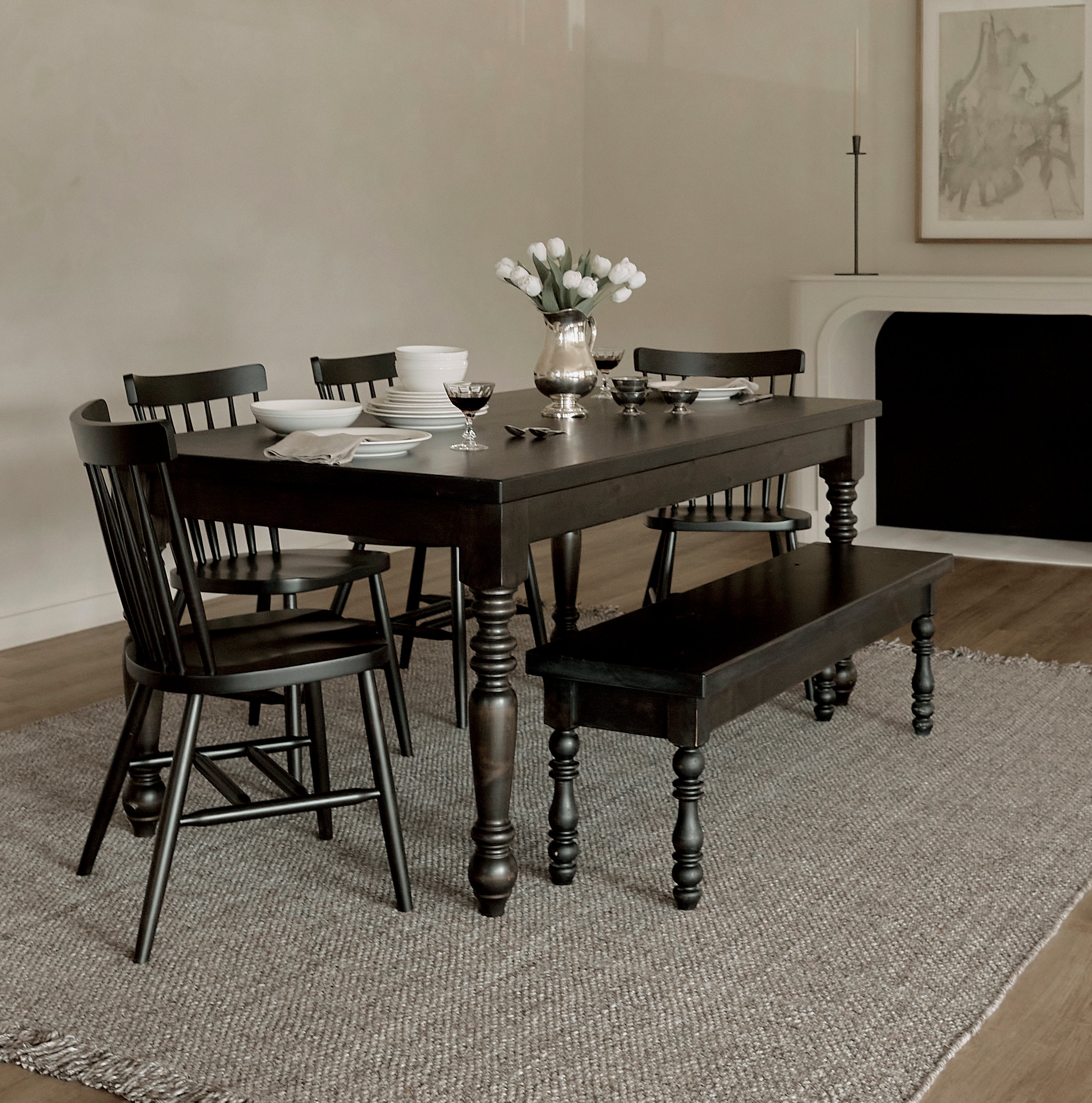
A kitchen table is rarely just a piece of wood. It’s a stage where life unfolds. It’s where we refuel, reconnect, and tell the stories of our day. The poet Joy Harjo captured this beautifully when she wrote, "The world begins at a kitchen table." For generations, families have practiced the ritual of coming together for supper, a tradition that strengthens bonds and shapes who we are. Your dining space is the heart of these moments, it's where you entertain, regroup, and connect.
With the dining table playing such a central role, creating the right atmosphere is key. The right dining room furniture does more than fill a space; it fosters togetherness and becomes part of your family's story. This guide offers insights into the significance of family meal time and how to design a dining space that encourages your family to share, laugh, and grow together for years to come.
Why Family Meal Time Matters
In our busy lives, finding moments to connect can be a challenge. Yet, the simple act of gathering around a family dining table has profound and lasting benefits that go far beyond just eating a meal. It's a consistent, reliable touchpoint in a world of constant motion.
This tradition is not just about nostalgia; it’s backed by research. Studies have consistently shown that regular family meals contribute to stronger family relationships, improved mental health in both children and parents, and better communication skills. It creates a safe space where everyone feels heard and valued.
Benefits of having a family meal time:
-
Strengthened Bonds: Sharing a meal provides a daily opportunity to check in with one another, share experiences, and offer support. This consistent interaction builds a powerful sense of unity and belonging.
-
Improved Communication: The dinner table is a natural training ground for conversation. Children learn how to listen, share their thoughts, and respectfully engage with others’ viewpoints.
-
Better Habits: Children who regularly participate in family meal time tend to develop healthier eating habits and are less likely to engage in risky behaviors.
-
A Sense of Stability: The routine of a shared meal provides a predictable and calming anchor in the day, offering comfort and security for all family members.
Designing a Space for Togetherness with the Right Dining Room Furniture
Because your dining room furniture is the backdrop for so many memories, choosing the right pieces requires thought and effort. Your dining set sees you through family meetings, holiday celebrations, tears, and laughter all the emotions that define family life. The goal is to create a space that is not just beautiful, but also functional and inviting.
The Heart of the Room: Your Family Dining Table
The table is the centerpiece of your dining space. Its design directly impacts the flow and feel of your meals. When considering dining table design, think about how your family lives and interacts. Do you host large gatherings or prefer intimate family dinners? Your lifestyle should guide your choice.
There are three key factors to consider when selecting a table:
-
Shape: The shape of your table can influence conversation. Round or oval tables are often seen as more intimate, as everyone can see and speak to each other easily. Rectangular tables are classic and work well for larger groups and more formal settings.
-
Size: Measure your room carefully before you buy. A common mistake is choosing a table that's too large or too small. You should leave at least 36 inches of clearance on all sides to allow for chairs to be pulled out and for people to walk around comfortably.
-
Style: The style of your family dining table should reflect your family's personality and the architecture of your home. You might prefer a traditional, formal look or a more casual, rustic feel. Don't be afraid to mix styles for an eclectic and personal touch.
Completing the Look: Seating and Storage
Once you have your table, the next step is choosing chairs and any additional dining room furniture.
-
Chairs: Comfort is key. If your family enjoys long, lingering conversations after a meal, comfortable, supportive chairs are a must. You can choose a matching set for a cohesive look or mix different chair styles for a more eclectic vibe. Benches are another great option, especially for families with children, as they offer flexible seating.
-
Storage: A sideboard, buffet, or china cabinet can provide valuable storage for dishes, linens, and silverware while also helping to anchor the room. These pieces add both function and style to your dining space.
Heirloom Dining Furniture: Carrying on a Legacy
For many families, dining room furniture is more than just an asset; it’s a legacy. Some are fortunate enough to inherit a beautiful antique table or set of chairs that has been passed down through generations. This heirloom dining furniture carries with it the stories and memories of the family members who gathered around it before.
Incorporating an heirloom piece into your home is a wonderful way to honor your family's history. You can design your entire dining space around it, or you can mix it with more modern pieces to create a look that is uniquely yours.
If you don't have a family heirloom, consider investing in a high-quality, solid wood family dining table that can become one for future generations. A well-crafted piece of furniture is a timeless investment that will withstand years of daily use and continue to be a gathering place for your family for decades to come.
Creating Your Perfect Dining Space
Whether you are starting from scratch, updating your current space, or incorporating a cherished piece of heirloom dining furniture, your goal is to create a room that fosters connection. The perfect dining table design isn’t just about aesthetics; it’s about creating an environment that invites your family to linger a little longer and share a little more.
Think about the finish and materials. Stain colors like dark walnut or early American can create a warm, traditional feel, while lighter finishes can make a space feel more modern and open. You don’t need everything to be a perfect match. Coordinating your new furniture with existing pieces in your home will create a cohesive and inviting atmosphere.
Ultimately, your dining room is a reflection of your family's style and traditions. By carefully selecting your dining room furniture, you are investing in a space that will support and strengthen your family bonds. It’s here, around the table, that you will celebrate victories, navigate challenges, and build a lifetime of memories together.