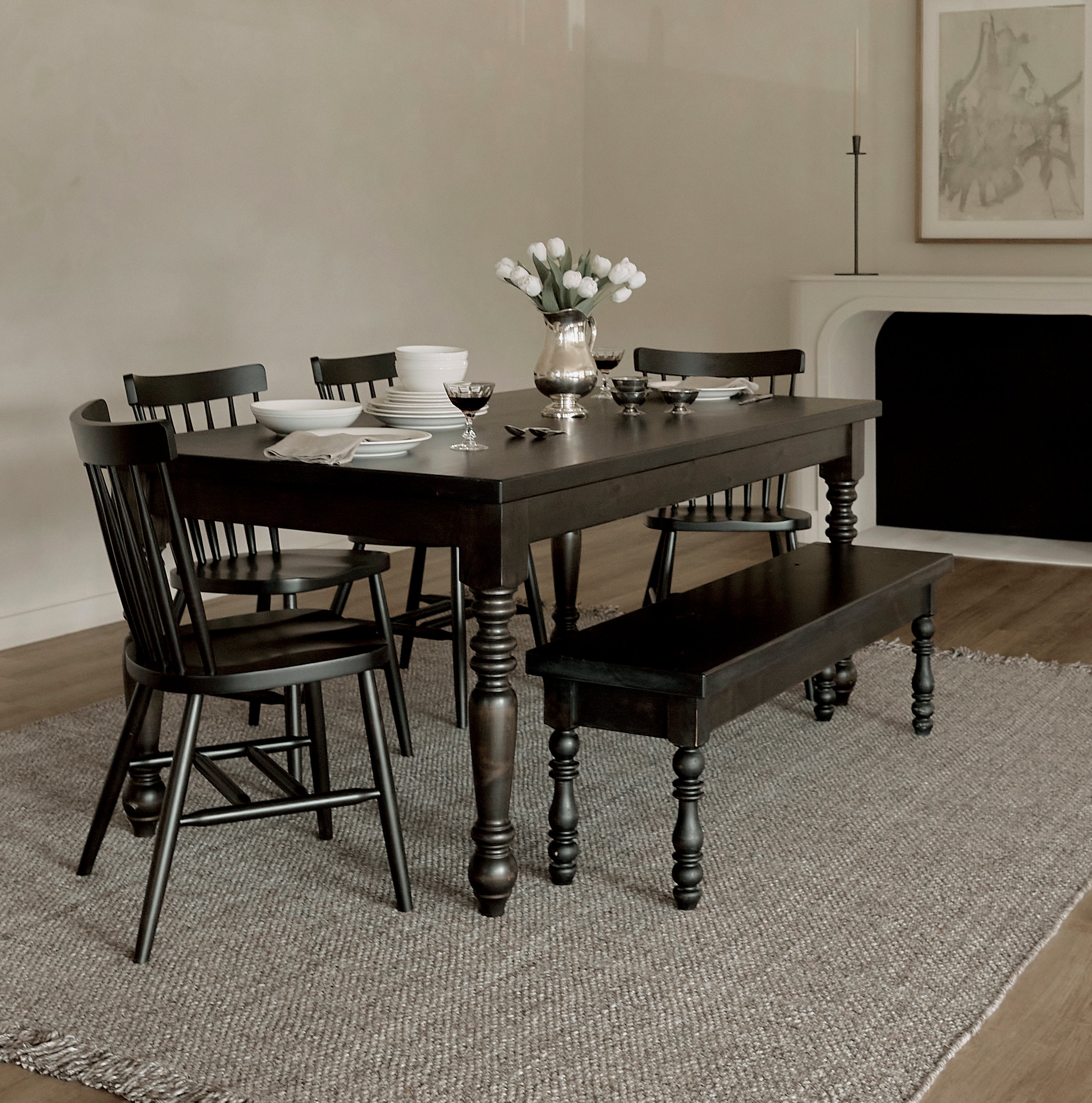
The best dining chairs do not make people think about the chairs. They let a family meal stretch into dessert, a dinner party become a long conversation, and a holiday table feel easy long after the plates are cleared.
Comfort is more than padding. It comes from the relationship between seat, back, arms, table height, room, and the person sitting there. A wood chair can be comfortable for a long meal; an upholstered chair can be wrong if its depth or height does not suit the table. The aim is not a lounge chair at the dining table. It is a chair that supports people naturally while keeping the room beautiful and usable.
Browse dining chairs as you compare the exact dimensions and materials that best suit the way you gather.
Begin with How Long People Actually Sit
Comfort should be judged by the life of the dining room, not a quick sit in a showroom or a single product image.
Consider your household’s rhythm
Does dinner usually last twenty minutes, or does the table become a place for homework, coffee, games, and conversation? Do you host family holidays, regular dinner parties, or casual meals where guests stay late? The longer people remain at the table, the more seat shape, back support, and material matter.
There is no need to select the softest chair possible for every household. A chair that feels too plush or too deep may be less useful for a meal than one with clear, supportive proportions. Choose for the way your people really sit.
Separate daily seats from occasional seats
The chairs used every day may need a different balance of comfort and scale than the additional seats used a few times a year. A pair of generous upholstered armchairs at the ends of the table, for example, can add lingering comfort while side chairs preserve a flexible everyday layout.
Plan this intentionally. Extra seats should still fit the table, relate to the regular chairs, and have a practical place between gatherings.
Look at the Seat Before You Look at the Fabric
The chair’s basic proportions influence comfort more than upholstery alone.
Seat width should feel unconfined
The chair should give the sitter enough room to settle in naturally without feeling compressed by arms or neighboring chairs. At the same time, a very wide chair can make the table feel crowded and reduce the number of comfortable seats around it.
Use the actual chair width in your table plan. Comfort includes the space between people as well as the seat beneath them.
Seat depth should support without swallowing the sitter
A seat that is too shallow may feel perched; one that is too deep can make it difficult for some people to sit back comfortably while reaching the table. Compare seat depth with the overall chair depth and, when possible, sit in a similar chair for more than a few seconds.
If you are buying online, use product dimensions as a starting point and ask questions when the seat details are not clear. The chair should allow a range of people in the household to sit close enough to the table without strain.
Seat height must work with the table
The chair’s seat height and the table’s underside clearance need to work together. A chair that is too high can feel cramped beneath the top; one that is too low can make eating feel awkward. Include table thickness, aprons, and any underside details in the comparison—not only the table’s overall height.
Back Support Shapes the Whole Meal
The back is where a dining chair earns its place after the first course.
Consider the angle and contact points
A supportive back does not need to be heavily padded. A shaped wood back, an upholstered back, or a carefully angled frame can all feel good when the proportion is right. Pay attention to where the chair supports the body and whether it encourages a natural sitting posture.
People have different preferences. Some want an upright chair that keeps the meal feeling active; others prefer a slightly more relaxed back for long conversation. The answer should suit the household, not a universal idea of formal dining.
Chair-back height affects comfort and mood
A taller back can create a more enveloping presence, while a lower or more open back can keep the dining room lighter and less formal. Neither is automatically more comfortable. The seat and back relationship matters more than the height alone.
Also consider how the backs look from adjoining rooms. In an open-concept space, the chairs are visible even when no one is sitting in them. Comfort and visual balance should support one another.
Decide Whether Arms Add Useful Comfort
Arms can make a chair feel more generous, but they are not right at every seat.
When armchairs help
Armchairs can be especially welcome for long dinners, at the ends of a rectangular table, or in a dining room where a small number of seats are used most often. They offer a clear place to settle and can make the room feel warm and complete.
They also need more room. Check their width and depth, confirm whether the arms clear the table underside, and include their full footprint in the dining-room plan.
When side chairs are more comfortable in practice
An armless side chair can be easier to enter, adjust, and fit around the table—especially in a compact room or a setting with frequent guests. A well-designed side chair can support a long meal without arms, and it may leave more room between diners.
Comfort is not a contest between chair types. It is the feeling of a chair that fits the sitter, the table, and the room without creating friction around it.
Choose Wood or Upholstery for the Life You Lead
Material affects comfort, care, and the way the dining area feels.
Wood can be comfortable and enduring
A solid wood chair offers a direct, tactile seat and can have excellent support when its shape is well considered. It may be the right choice for a household that wants natural materials, clear lines, and a dining set that feels grounded and easy to maintain.
If the chair needs a little softness, a seat cushion or a mixed arrangement with upholstered host chairs can add comfort without losing the beauty of wood. Choose additions that feel like part of the design, not a way to correct an unsuitable seat.
Upholstery can encourage lingering
An upholstered seat or back adds softness and can make a table feel immediately more inviting. It may be particularly suitable for homes where dinners are long, the dining area blends into a living space, or the table is used for work and conversation as well as meals.
James & James states that its upholstered chairs use performance Crypton Home fabric. Confirm the upholstery selection, dimensions, and product-specific care instructions before ordering. A practical fabric can make an upholstered chair easier to live with, but it is still important to choose a color and texture that suit the household.
Make Comfort Work with the Room
A comfortable chair that blocks every pathway will not make a dining room more hospitable.
Test the chair pulled out
Map the chair’s full depth around the table, then pull it back as though someone is sitting down. Walk behind it, open nearby doors and cabinets, and follow the routes from kitchen to table and dining area to adjoining rooms.
This is especially important with deep upholstered chairs or armchairs. They can be a beautiful choice when the room supports them; in a smaller space, a more tailored profile may create a better balance of comfort and movement.
Plan comfort for guests too
If you host larger meals, include guest chairs in the test. Someone at the end of the table or in an added seat deserves the same basic comfort and access as the regular places. Avoid treating the largest gathering as a puzzle of temporary chairs squeezed wherever they fit.
An extendable table can help, but both closed and open configurations need a chair plan.
A Useful Pre-Order Test
Before ordering, ask:
- Would I want to sit in this chair through a full dinner and conversation?
- Do the seat height, depth, and back support suit the people who use the table?
- Does the chair fit beneath and around the specific table?
- Do arms add real comfort, or take away needed space?
- Does the material suit the household’s use and care preferences?
- Can people still move through the room with chairs pulled out?
- Does the arrangement feel welcoming from the rest of the home?
If the answers are clear, you are choosing more than a chair. You are choosing how the table will feel when people decide not to leave just yet.
Browse dining chairs with your table and room dimensions in hand.
When you're ready, read How to Choose Dining Chair Finishes That Work with a Wood Table.
Frequently Asked Questions
What makes a dining chair comfortable for long dinners?
Comfort comes from the combination of seat width and depth, back support, seat height relative to the table, material, and room for natural movement. Upholstery can add softness, but it is not the only factor.
Are upholstered dining chairs better for long meals?
They can be, especially when their seat and back proportions suit the sitter. A well-designed wood chair may also be comfortable for a long meal. Compare the individual chair rather than assuming one material always wins.
Do armchairs make dining chairs more comfortable?
They can add a more generous feeling for some people, but they also require additional width, depth, and table clearance. Choose them where their comfort benefit fits the room and seating plan.
How can I test dining-chair comfort before buying online?
Use complete product dimensions, compare them with chairs you already know, confirm table fit, and ask about details that affect seat and back comfort. Map the chair’s footprint in the room before ordering.