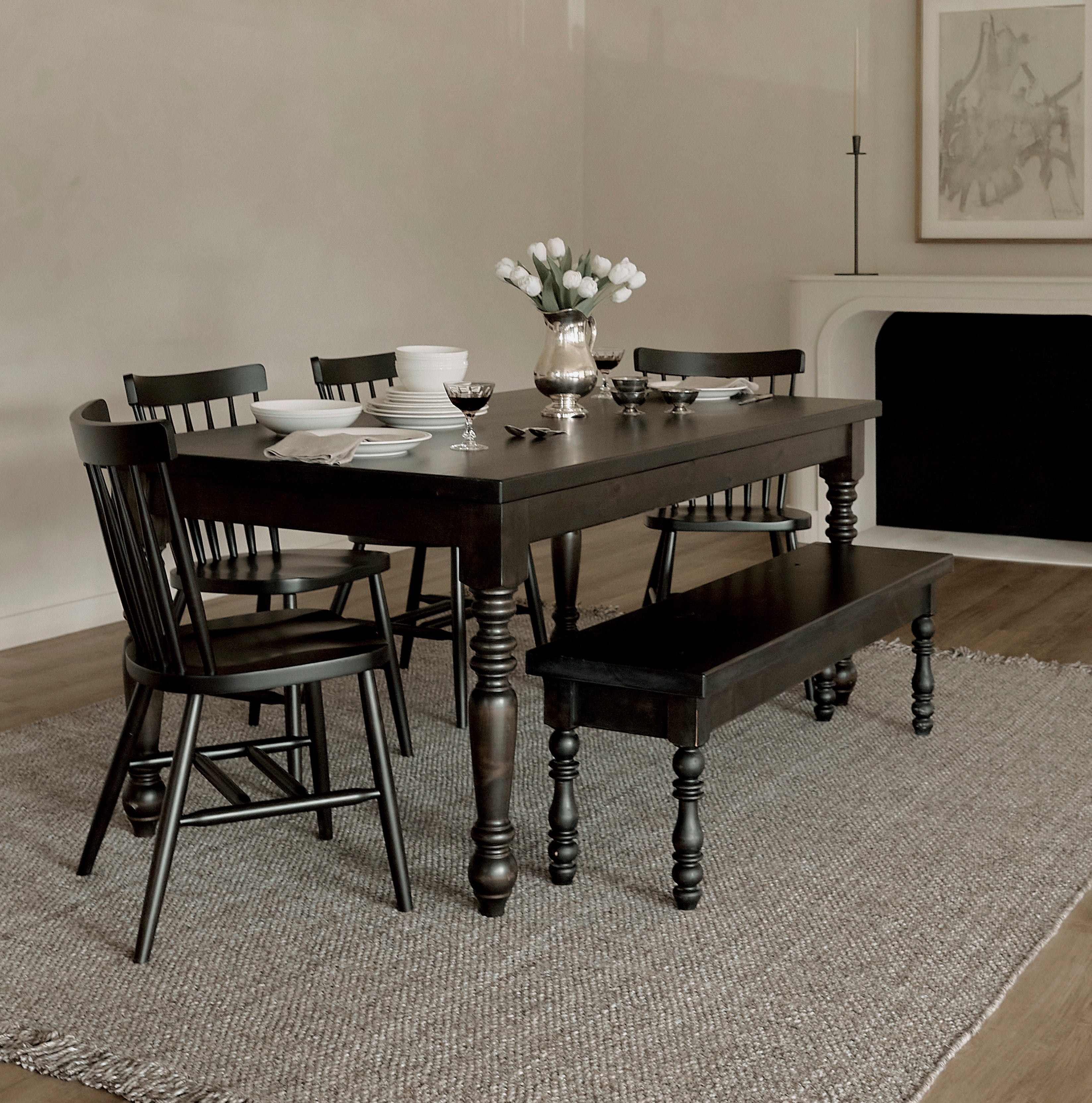
Wood and upholstered counter stools can both work beautifully at a kitchen island, but they solve different priorities. Wood seating offers natural material character, straightforward maintenance, and a cleaner visual profile. Upholstered seating adds softness and can make longer periods at the island more comfortable. When you're comparing our bar and counter stools, the better choice depends on how often the stools are used, who uses them, and how much maintenance fits your household. When choosing seating for an island or counter, a wooden bar stool should match the height, comfort, and everyday use the room requires.
The decision is not simply:
Which one looks better?
It is:
Which material makes sense for the way this kitchen is actually used?
Start With How Often You Sit at the Island
A kitchen island used mainly for:
- quick breakfasts
- snacks
- short conversations
places different demands on a stool than one used for:
- family meals
- homework
- remote work
- entertaining
- long conversations
If people regularly sit for extended periods, comfort deserves more weight in the decision.
If the stools are primarily occasional seating, the simplicity of solid wood may be more appealing.
Wood Stools Keep the Material Simple
A solid wood stool relies on the furniture itself for both structure and appearance.
You see:
- grain
- finish
- seat shape
- craftsmanship
without another material competing for attention.
That can create a clean, enduring look around an island.
Our made-to-order hardwood stools are crafted through a trusted U.S.-based artisan partner, making natural wood one of the defining materials in the collection.
Upholstery Adds Softness
An upholstered seat changes the physical experience of the stool.
It introduces:
- cushioning
- textile texture
- additional color
- a softer visual layer
This can be especially useful in kitchens dominated by harder materials such as:
- stone
- wood cabinetry
- tile
- metal
The fabric breaks up those surfaces and can make the seating area feel more inviting.
Comfort Is More Than Cushioning
Upholstery can improve comfort, but it does not automatically make a stool comfortable.
The complete seating experience still depends on:
- seat width
- seat contour
- back support
- footrest position
- correct stool height
A well-shaped wood seat may be more comfortable than a poorly proportioned upholstered one.
Evaluate the entire design.
Wood Seats Can Be Shaped for Comfort
A wood seat does not have to be completely flat.
Contouring can create a more supportive seating position while preserving the simplicity of an all-wood design.
This is particularly useful when you want:
- easy maintenance
- natural materials
without sacrificing everyday usability.
Upholstery Becomes More Valuable the Longer You Sit
The benefits of cushioning tend to become more noticeable with longer use.
If the island functions as a primary place for:
- meals
- work
- homework
an upholstered seat may provide additional comfort over time.
That can matter more than it does during a five-minute breakfast.
Cleaning Is One of the Biggest Practical Differences
Kitchen stools live near:
- food
- drinks
- cooking
- children
That makes cleaning part of the buying decision.
Wood generally offers a simpler surface to wipe down.
Upholstery requires more attention to the specific textile and care instructions.
Wood Is Often Easier in High-Spill Households
For families where spills are common, an all-wood stool can reduce the number of absorbent surfaces around the island.
That can make everyday maintenance easier.
There are fewer concerns about:
- food stains
- drink spills
- crumbs entering seams
This simplicity may outweigh additional cushioning.
Upholstery Does Not Automatically Mean Impractical
Fabric performance varies considerably.
The practical question is not simply whether the stool is upholstered.
It is:
- what fabric is used
- how it should be cleaned
- how the household uses the seating
If upholstery is important to you, understand the care requirements before buying.
Consider Children Before Choosing the Material
Children can be hard on kitchen seating.
The stools may see:
- spills
- shoes
- climbing
- frequent meals
Wood can be appealing because of easier surface care.
But children who spend significant time doing homework or eating at the island may also benefit from the comfort of upholstery.
There is a real tradeoff.
Pets Can Influence the Decision Too
If pets regularly interact with the kitchen seating, consider:
- hair
- claws
- cleaning
- fabric wear
The most beautiful stool is not the right choice if the material creates ongoing frustration in your home.
Wood Creates a Stronger Material Connection
Wood stools can coordinate naturally with:
- dining tables
- hardwood flooring
- cabinetry
- other furniture
They do not need to match those pieces exactly.
The shared material itself creates continuity.
This is particularly effective in open-concept kitchens where the stools are visible with the dining room.
Upholstery Adds Another Material to the Palette
An upholstered stool introduces both:
- wood or metal frame
- textile
That gives you another opportunity to coordinate with:
- sofa
- dining chairs
- rugs
- window treatments
It can help connect the kitchen visually to adjacent spaces.
But it also adds another material that needs to fit the broader room.
Think About Visual Weight
Upholstery often makes a stool feel more substantial.
A padded seat or upholstered back can create more visual mass than a comparable all-wood design.
This may be desirable around:
- large island
- spacious kitchen
In a smaller kitchen, it can make the seating feel heavier.
Wood Can Keep a Long Row of Stools Lighter
If you need:
- four
- five
or more stools, repeated upholstery can create a strong visual presence.
Simpler wood seating may allow a long row to feel cleaner and less crowded.
The number of stools matters when comparing materials.
Backless Wood Stools Create the Lowest Visual Profile
If openness is the priority, a backless wood stool can be particularly effective.
It can often:
- tuck beneath the island
- preserve sight lines
- expose more cabinetry
This is useful in kitchens where seating needs to remain visually secondary.
Upholstered Backed Stools Create the Most Seating Presence
At the opposite end, an upholstered stool with a back can make the island feel more like a formal seating area.
That may be ideal if the island functions as:
- dining area
- entertaining area
- everyday gathering place
The kitchen begins to feel furnished rather than merely equipped with extra seats.
Match the Material to the Island's Role
Ask what the island actually is in your home.
Primarily a workspace with occasional seating?
Wood may offer the cleaner solution.
Everyday dining and homework center?
Upholstery may add meaningful comfort.
Main gathering space when entertaining?
Either can work depending on the atmosphere and maintenance you want.
The use case should drive the decision.
Consider the Seat Temperature and Feel
Wood and fabric feel different when you first sit down.
Wood has a firmer surface.
Upholstery feels softer immediately.
That may sound minor, but it contributes to the everyday experience of the furniture.
Some people genuinely prefer the supportive firmness of a wood seat.
Others strongly prefer cushioning.
Durability Depends on More Than the Surface Material
Do not judge durability based only on whether the seat is wood or upholstered.
A quality stool also depends on:
- frame construction
- stability
- joinery
- finish
- footrest durability
The stool needs to perform as a complete piece.
Footrests See Heavy Everyday Use
Regardless of seat material, the footrest is frequently:
- kicked
- rubbed by shoes
- used to climb onto the stool
Pay attention to its construction and finish.
That area can receive more direct wear than the seat itself.
Solid Wood Frames Provide Natural Durability
Hardwood is well suited to stool frames because the furniture experiences repeated:
- movement
- weight
- leverage
during normal use.
Material quality matters particularly in a piece that is climbed into and out of frequently.
Upholstery Introduces Another Component That Can Wear
An upholstered seat may eventually show wear differently from the hardwood frame.
That does not make it inferior.
It simply means the stool includes another material with its own lifespan and maintenance needs.
Consider whether that tradeoff makes sense for how long you expect to own the furniture.
Repairability Can Matter Over Time
Solid wood may provide options for addressing certain:
- scratches
- surface wear
- finish damage
depending on the construction and finish.
Upholstered seating may involve different repair considerations if the fabric becomes damaged or worn.
Long-term furniture should be evaluated beyond the day it arrives.
Finish Selection Is More Prominent on All-Wood Stools
When most of the stool is exposed wood, the finish becomes a major design choice.
It affects how the stool relates to:
- island
- floor
- cabinets
- dining furniture
Natural grain is also more visible.
Upholstery Can Shift Attention Away From the Wood Finish
With upholstered seating, the textile may become one of the most noticeable parts of the stool.
That can make the wood finish feel secondary.
This gives you more flexibility to connect the stool with the room through:
- fabric color
- texture
instead of relying on wood tone alone.
Matching the Island Is Optional
Neither wood nor upholstered stools need to match the island exactly.
Contrast can work beautifully.
For example:
- dark wood stools + painted light island
- natural wood stools + dark cabinetry
- upholstered stools + wood island
The relationship should feel intentional.
Consider the Dining Furniture Nearby
If the dining room is visible from the kitchen, stool material can help either connect or separate the spaces.
Wood stools may echo:
- dining table
- dining chairs
An upholstered stool may instead introduce a subtle distinction while sharing another finish or material.
Both strategies can work.
Do Not Add Upholstery Just to Make the Kitchen Look More Expensive
More materials do not automatically create a more refined room.
A well-proportioned solid wood stool can feel extremely substantial and finished.
Premium furniture should be judged by:
- material
- design
- construction
- function
not by the number of decorative elements.
Do Not Choose Wood Only Because It Seems Easier
Maintenance is important, but comfort matters too.
If the household sits at the island for hours every day, choosing a stool solely because it wipes clean easily may be the wrong tradeoff.
Balance practical maintenance with real seating behavior.
Think About How Many Years You Expect to Keep the Stools
Kitchen stools are often purchased in groups and can represent a significant investment.
If you expect to own them long term, consider:
- whether the material suits your lifestyle
- how the room may change
- whether you will still appreciate the design later
The best choice should work beyond the current trend.
A Simple Wood vs. Upholstered Decision
Wood stools may be the better fit when:
- easy cleaning matters
- you prefer natural materials
- seating is relatively casual
- you want lower visual weight
- several stools need to fit along the island
Upholstered stools may be the better fit when:
- people sit for long periods
- softness matters
- the island functions like dining seating
- you want to introduce textile into the kitchen
- the room can support greater visual presence
Either can work when:
- stool height is correct
- seat proportions are comfortable
- footrest is well placed
- construction is stable
Choose for the Way You Live
Wood and upholstery each bring legitimate advantages.
Wood offers:
- natural character
- simpler maintenance
- visual clarity
Upholstery offers:
- softness
- texture
- additional comfort
The better choice is the one that fits the household using the stools every day.
Start with the function.
Then choose the material that makes that function easier to live with.
Explore our bar and counter stools to compare hardwood and upholstered seating, backed and backless designs, counter-height and bar-height configurations, and finishes for kitchen islands and bars. For the next step in this guide, read What Makes a High-Quality Bar or Counter Stool Worth the Investment?