The Woodshop

What Finish Color Is Best For My Space?
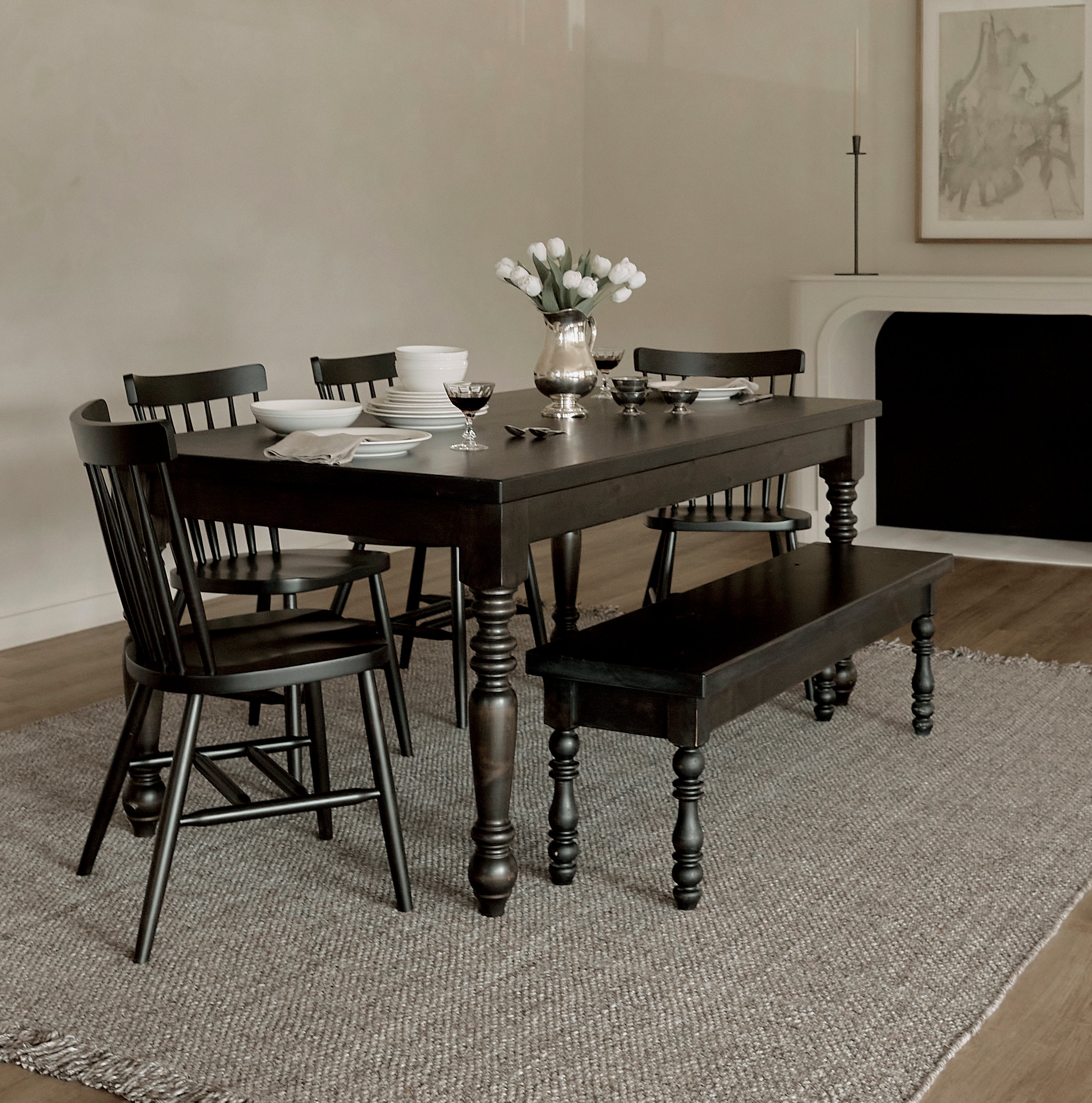
Selecting the right wood finish color for your furniture can feel like a high-stakes decision. You’re not just picking a color; you’re setting the tone for your entire room. With existing wall colors, flooring, and cabinets already in the mix, adding a new piece of furniture can be daunting. You want to choose a finish that not only looks beautiful on its own but also complements your space and creates a cohesive, inviting atmosphere. Luckily, you don’t have to make this decision alone. With experience in building thousands of tables each year, we’ve learned a thing or two about choosing wood finishes. This guide will walk you through everything you need to know to feel confident in your selection. We'll explore various furniture finish options, discuss how to match colors with your current decor, and explain why custom wood finishes might be the perfect solution for your home. By the end, you'll have a clear roadmap for finding the best wood finish for furniture that reflects your personal style. Understanding the Impact of Wood Finish Color The finish on your wooden furniture does more than just protect the surface; it defines its character. The right wood finish color can highlight the natural grain of the wood, add warmth to a room, or create a bold, modern statement. Conversely, the wrong choice can make a space feel disjointed or clash with your existing decor. When choosing wood finishes, it's helpful to understand that the final look is influenced by several factors, not just the stain itself. The species of wood, its natural undertones, and the amount of light in your room all play a significant role. A finish that looks one way on an oak table might appear completely different on pine. This is why taking a systematic approach to your decision is so important. Key Factors to Consider Before you even start looking at samples, take a moment to assess your space and your goals. Ask yourself these questions: What is the overall mood you want to create? Are you aiming for a room that feels light and airy, warm and cozy, or sleek and contemporary? What are the existing colors in the room? Look at your floors, walls, cabinets, and other large furniture pieces. Identify the dominant colors and undertones (warm, cool, or neutral). How much natural light does the room get? Dark finishes can make a poorly lit room feel smaller, while lighter finishes can help brighten it up. What is your personal style? Do you lean toward rustic farmhouse, mid-century modern, traditional, or something else entirely? Your furniture should be a reflection of your taste. Answering these questions will provide a framework for your decision and make the process of choosing wood finishes feel much more manageable. A Practical Guide to Choosing Wood Finishes With a clear vision for your space, you can start exploring the exciting world of furniture finish options. From deep, rich browns to light, natural hues and even modern grays, the possibilities are endless. Here’s a step-by-step guide to help you narrow down the choices and find the perfect match. Step 1: Gather Inspiration The first step is to get inspired. You may not know exactly what you want yet, but you can start by identifying what you like. Browse Online Galleries: Look through lookbooks and online portfolios from furniture makers. These curated collections often showcase different pieces in real-life settings, helping you visualize how a particular wood finish color might look in a home. Create a Mood Board: Use platforms like Pinterest to save images of rooms and furniture pieces that catch your eye. Over time, you’ll start to see patterns emerge in the finishes you’re drawn to. Look at Your Own Home: Pay attention to the wood tones you already have and enjoy. This can be a great starting point for finding a complementary finish. Step 2: Test, Don't Guess This is perhaps the most critical step in the entire process. The way a finish looks online or in a showroom can be very different from how it appears in your home. This is why ordering samples is non-negotiable. Getting a few finish samples allows you to: See the Color in Your Light: Place the sample in the room where the furniture will go. Observe it at different times of day, morning, noon, and night to see how natural and artificial light affect its appearance. Compare with Existing Elements: Hold the sample up against your flooring, walls, and other furniture. This will help you see if the undertones are compatible. Does the finish complement your existing decor or clash with it? Feel the Texture: A sample also gives you a sense of the texture and sheen of the finish, which are important details that contribute to the overall look and feel. Testing samples removes the guesswork, giving you the confidence that you’re making an informed decision about the best wood finish for furniture in your space. Step 3: Understand Popular Furniture Finish Options While the options are vast, most finishes can be grouped into general color families. Here’s a quick overview of some popular furniture finish options and the styles they often complement: Light & Natural Finishes (e.g., Harvest Wheat): These finishes celebrate the wood's natural beauty. They are perfect for creating a light, airy feel and work well in Scandinavian, coastal, and modern farmhouse designs. A natural wood finish is versatile and timeless. Medium & Warm Finishes (e.g., Tobacco): These classic finishes offer a rich, warm tone without being overly dark. They are incredibly versatile and fit beautifully into traditional, rustic, and transitional spaces. Dark & Rich Finishes (e.g., Charred Ember): Deep, dark finishes create a sense of drama, sophistication, and elegance. They are ideal for formal dining rooms or as a statement piece in a modern or industrial setting. Gray & Modern Finishes (e.g., Deep Grey): Gray finishes have become increasingly popular for their contemporary appeal. They act as a neutral and can bridge the gap between warm and cool tones in a room, making them a great choice for modern and transitional decor. The Advantage of Custom Wood Finishes Sometimes, you have a very specific vision that off-the-shelf options just can't meet. Perhaps your floors have a unique undertone that’s difficult to match, or you’ve fallen in love with a color you saw in a magazine. This is where custom wood finishes come in. Opting for a custom finish allows you to create a piece of furniture that is truly one-of-a-kind and perfectly tailored to your space. Working with a design consultant, you can adjust the tone, depth, and color to get the exact look you envision. This bespoke approach ensures that your new furniture won't just fit into your home, it will elevate it. Custom wood finishes are the ultimate way to guarantee you’re getting the absolute best wood finish for furniture that is unique to you. When to Consider a Custom Finish: You need to match an existing or unique wood tone in your home. You want a specific color that isn't available in standard furniture finish options. You're investing in a "forever piece" and want it to be absolutely perfect. You enjoy the creative process and want to be involved in the design of your furniture. Don’t Be Afraid to Ask for Help Choosing wood finishes can be complex, and it’s okay to need a second opinion. Design consultants have seen thousands of spaces and have a trained eye for color, proportion, and style. They can offer valuable guidance, look at pictures of your room, and provide recommendations based on your goals. A professional can help you navigate the nuances of undertones and lighting, ensuring your final selection is one you’ll love for years to come. By following these steps, getting inspired, testing samples, and seeking expert advice when needed you can confidently select a wood finish color that brings your vision to life and makes your space feel complete.
Read more