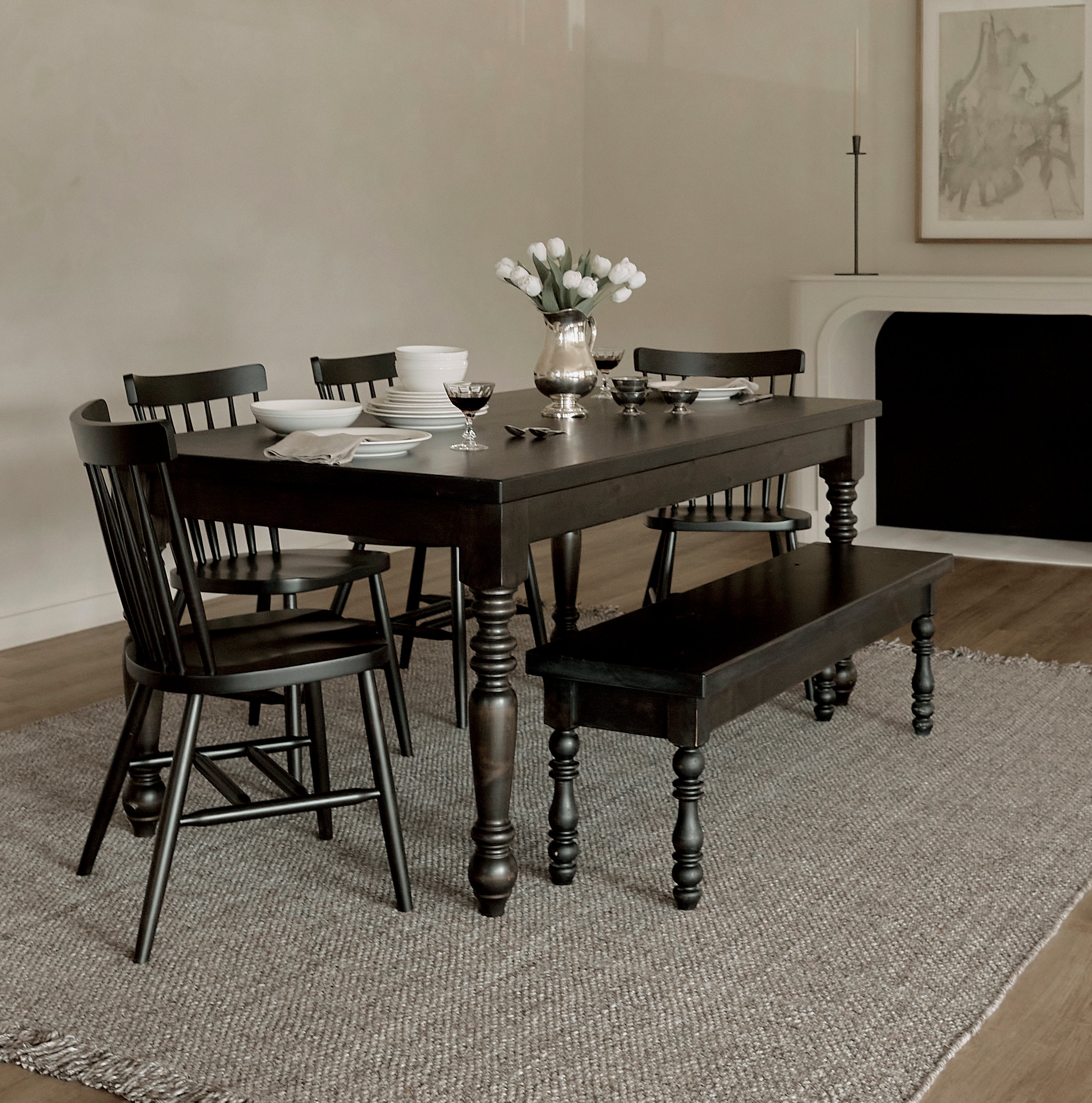
The long-held design rule that all wood furniture in a room must match is officially a thing of the past. Today, designers are embracing the rich, layered look that comes from combining different wood tones. But even for the most adventurous home decorators, certain pairings can feel intimidating. One of the most common questions we hear is, can you mix cherry and oak furniture? The short answer is yes, absolutely. The secret lies in creating a balanced and intentional look.
Successful interior design with mixed wood tones adds depth, character, and a curated feel to any space. It suggests that furniture has been collected over time, rather than purchased as a matching set. Mixing cherry and oak furniture can be particularly beautiful, as the warm, reddish hues of cherry can complement the golden or light brown tones of oak.
This guide will explore expert tips on creating harmonious cherry and oak furniture combinations and give you the confidence to blend these classic hardwood types like a pro.
Understanding Cherry and Oak Furniture
Before you start rearranging your room, it’s helpful to understand the distinct characteristics of different types of wood. Knowing their natural tendencies will help you make smarter pairing decisions. This is a foundational step in successful interior design with mixed wood tones.
Characteristics of Cherry Wood
Cherry wood is prized for its rich, warm color and smooth, fine-grain texture. When first cut, it has a light, pinkish-brown hue, but it famously darkens over time with exposure to light, maturing into a deep, reddish-brown.
This aging process is one of its most desirable qualities, as it adds a sense of history and elegance to a piece. Its grain is typically straight and uniform, which gives it a refined and sophisticated appearance.
Characteristics of Oak Wood
Oak is renowned for its strength, durability, and prominent grain pattern. It comes in two main varieties: Red Oak and White Oak. Red Oak has a warmer, pinkish or reddish tint and a more porous, open grain. White Oak tends to be lighter, with golden-brown to grayish tones and a denser, closed-grain structure. Both are incredibly durable, making them ideal for high-use furniture.
The distinct grain of oak adds a rustic or traditional charm to any room. When considering mixing cherry and oak furniture, the type of oak you have will influence the overall look.
The Art of Mixing Cherry and Oak Furniture
The idea of pairing two different woods can be daunting, but the result is often more dynamic and visually interesting than a room with perfectly matched furniture. Mixing cherry and oak furniture is an art form that, when done correctly, creates a cohesive yet diverse space.
Why Mixing Wood Tones Works
Combining different woods prevents a room from looking flat or one-dimensional. The contrast between the rich red of cherry and the earthy tones of oak can create a beautiful focal point. This approach to interior design with mixed wood tones allows for more personal expression, making a space feel unique and thoughtfully assembled.
When you master a few key principles, you can create stunning cherry and oak furniture combinations.
Key Principles for Mixing Cherry and Oak
To ensure your mixed-wood look is harmonious rather than chaotic, follow these designer-approved principles:
-
Find a Common Undertone: Look for a shared color temperature. While cherry is red and oak is often golden or brown, they both typically fall into the warm end of the color spectrum. Leaning into this shared warmth helps tie them together.
-
Create Contrast with Purpose: Don't be afraid to pair a dark, aged cherry piece with a lighter white oak table. Intentional contrast is a powerful design tool. The key is to make the difference noticeable enough that it looks deliberate, not like a near-miss.
-
Establish a Dominant Wood: In any room, one wood tone should be the star. Decide whether your cherry or oak pieces will be the main feature and use the other as an accent. This creates a clear visual hierarchy and prevents the two woods from competing for attention.
Interior Design Tips for Mixing Cherry and Oak
Now that you understand the principles, let's get practical. When mixing different types of wood, like cherry (a dark wood) and oak (a light wood), it's important to get the balance right. If you're wondering how to mix cherry and oak furniture in your own home, these tips will guide you.
Choosing a Dominant Wood Tone
Select one wood to be the visual anchor of the room. For example, if you have a large cherry dining table, let that be the dominant piece. You can then introduce oak through smaller items like dining chairs, a sideboard, or shelving. This approach ensures your cherry and oak furniture combinations feel balanced.
Using Neutral Elements to Tie the Look Together
A unifying element can bridge the gap between different wood tones. Use a large area rug that contains colors from both the cherry and oak pieces. Neutral wall colors, like warm whites, grays, or beiges, create a clean backdrop that allows both woods to shine without clashing. Upholstery on sofas or chairs can also act as a buffer between wood pieces. This is a classic strategy in interior design with mixed wood tones.
Incorporating Accent Pieces
Start small if you're nervous about mixing cherry and oak furniture. Introduce the secondary wood through accent pieces like picture frames, a small side table, or decorative bowls. This allows you to experiment with the combination on a smaller scale before committing to a large furniture purchase. These subtle repetitions help make the overall design feel cohesive.
Common Mistakes to Avoid
While there are many ways to get it right, there are also a few pitfalls to avoid when creating your mixed-wood look.
Overloading the Space with Too Many Tones
While mixing two or even three wood tones can look great, adding too many more can make a room feel cluttered and disjointed. Stick to a limited palette. When you're already asking, "can you mix cherry and oak furniture?", it's best to keep other wood varieties to a minimum.
Ignoring the Room’s Lighting
Natural and artificial light can dramatically alter the appearance of wood. A cherry piece might look much redder in direct sunlight, while an oak table could appear more golden under warm lamplight. Before finalizing your layout, observe how the furniture looks at different times of the day.
Forgetting About the Finish
The finish on a piece of furniture, whether it’s matte, satin, or high-gloss, also plays a role. Try to maintain some consistency. If most of your pieces have a matte or satin finish, a single high-gloss item might stick out in an awkward way. Harmonizing the finishes is a subtle but effective way to unify different cherry and oak furniture combinations.
Examples of Successful Cherry and Oak Pairings
Need some visual inspiration? Here are a few ideas for different rooms:
-
Living Room: Pair a rich, dark cherry coffee table with lighter oak end tables. Unify the space with a neutral-colored sofa and a rug that picks up on both wood tones.
-
Dining Room: An elegant cherry dining table can look stunning surrounded by sturdy oak chairs. The contrast creates a welcoming and sophisticated atmosphere perfect for gatherings.
-
Bedroom: Create a cozy retreat by combining a classic cherry bed frame with light oak nightstands and a matching dresser. The warmth of both woods will make the room feel inviting and serene.
Ultimately, the question of "can you mix cherry and oak furniture?" has a clear and resounding answer: yes. With a bit of planning and an eye for balance, you can create a beautiful, layered, and personalized space. Don't be afraid to trust your instincts and experiment. The most compelling rooms are those that reflect the unique style of the people who live in them.