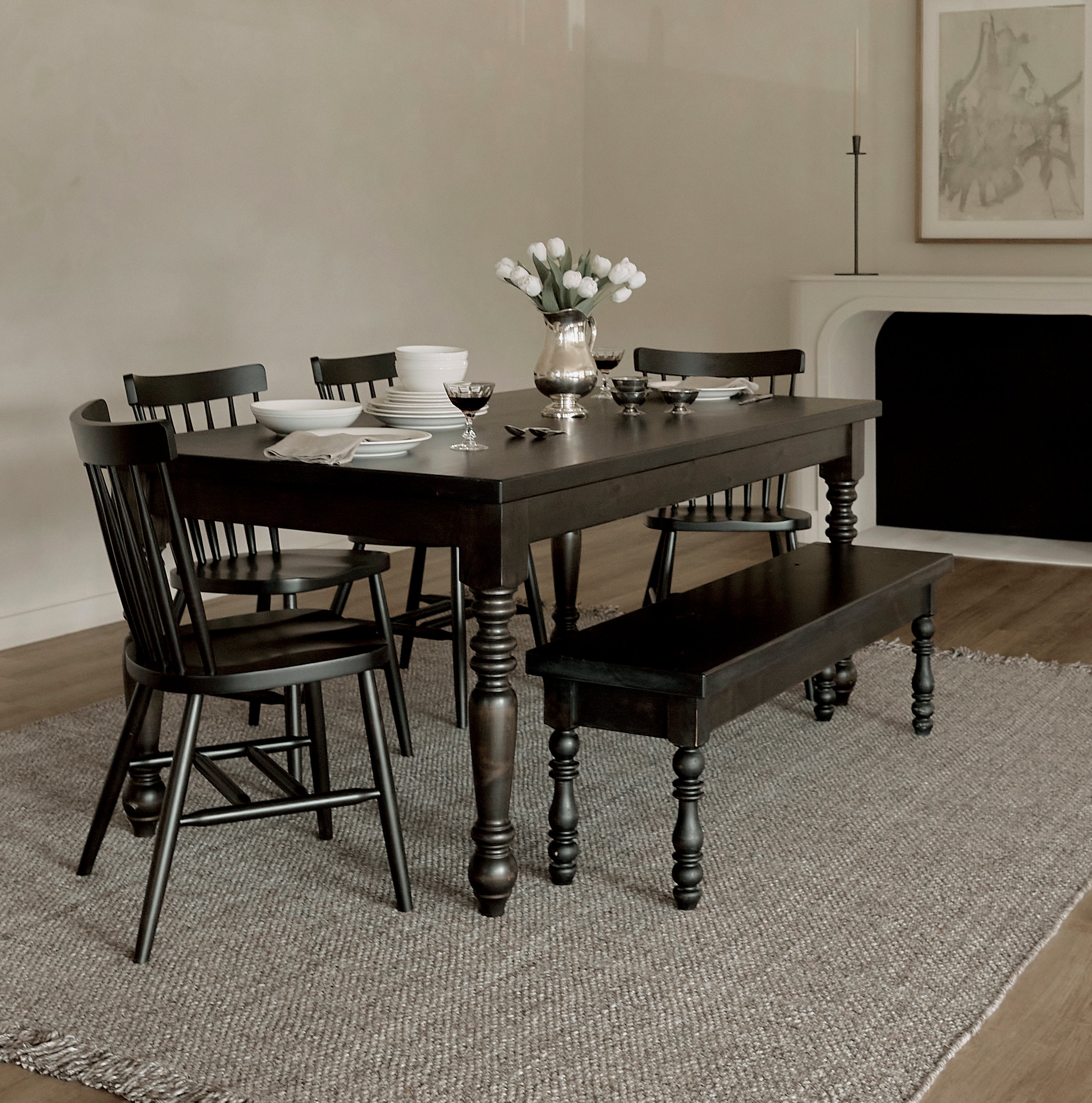
When it comes to crafting high-quality furniture, the type of wood you choose is one of the most critical decisions. It determines not only the final look and feel of the piece but also its strength, longevity, and how it ages over time. Among the many hardwood options available, oak is a perennial favorite, celebrated for its durability and classic beauty. However, not all oak is the same. The debate of Silver Oak vs Red Oak often comes up for artisans and homeowners alike.
Choosing the best wood for furniture making depends on your project's specific needs, your design aesthetic, and your budget. Both Silver Oak and Red Oak are excellent materials, but they have distinct characteristics that make them suitable for different applications. This guide will explore the unique qualities of each, compare them side-by-side, and help you understand the Silver Oak furniture benefits and Red Oak furniture advantages so you can make an informed decision for your next project.
Characteristics of Silver Oak
Often admired for its clean, contemporary appearance, Silver Oak has become increasingly popular in modern furniture design. It offers a unique combination of strength and refined aesthetics that sets it apart. Understanding the key Silver Oak furniture benefits begins with appreciating its distinct visual and structural properties.
Appearance and Grain Pattern
Silver Oak is known for its light, almost creamy-white to light brown heartwood, often with a subtle grayish or silver undertone, which gives it its name. The grain is typically straight and uniform, with a medium-to-coarse texture. One of its most defining features is the presence of long, striking medullary rays, also known as "fleck" or "flake",which become highly visible when the wood is quarter-sawn. This creates a ribbon-like pattern that adds a layer of depth and visual interest, making it a favorite for statement pieces.
Durability and Strength
Like all oaks, Silver Oak is a dense, hard, and strong wood. It boasts excellent wear resistance, making it suitable for high-traffic furniture items like dining tables, chairs, and desks. One of the primary Silver Oak furniture benefits is its closed-pore structure. This makes it naturally more resistant to water and rot compared to Red Oak, which is why it has historically been used for boat building and outdoor applications. This quality also means it takes stains and finishes very evenly, resulting in a smooth, consistent surface.
Common Uses in Furniture
Thanks to its clean lines and modern appeal, Silver Oak is frequently used for contemporary and transitional furniture styles. Its light color palette brightens up spaces and pairs well with minimalist or Scandinavian designs. You'll often find it used for cabinetry, sleek dining tables, bed frames, and flooring. Its durability also makes it a strong contender for pieces that need to withstand daily use.
Characteristics of Red Oak
Red Oak is a classic, traditional choice that has been a staple in American furniture making for centuries. It's known for its warmth, prominent grain, and exceptional workability. There are many Red Oak furniture advantages that have cemented its place as one of the most popular hardwoods on the market.
Appearance and Grain Pattern
As its name suggests, Red Oak has a distinct reddish or pinkish hue, ranging from light brown to a warm, salmon-toned red. The grain pattern is pronounced and often has a beautiful, swirling, or wavy appearance that gives each piece a unique character. While it also has medullary rays, they are typically smaller and less dramatic than those found in Silver Oak. The overall look is classic, robust, and inviting.
Durability and Strength
Red Oak is exceptionally hard and durable, making it another excellent choice for furniture that needs to last. It is highly resistant to dents and scratches, which is a significant advantage for family homes. A key point in the Silver Oak vs Red Oak discussion is porosity. Red Oak has an open-pore structure, which means it can absorb moisture more readily than Silver Oak. While this makes it less suitable for outdoor use without a heavy finish, it allows the wood to absorb stains deeply, which can beautifully enhance its prominent grain.
Common Uses in Furniture
The classic warmth and strong grain of Red Oak lend themselves well to traditional, rustic, and craftsman-style furniture. It has long been the best wood for furniture making when a timeless, sturdy look is desired. Common applications include robust dining tables, chairs, cabinetry, and flooring. The distinct Red Oak furniture advantages, like its workability and ability to take a rich stain, make it a favorite among woodworkers.
Silver Oak vs Red Oak: A Side-by-Side Comparison
Now that we've looked at them individually, let's put them head-to-head. The choice between Silver Oak vs Red Oak often comes down to specific functional needs and aesthetic preferences.
Durability
Both woods are extremely durable and make for long-lasting furniture. However, the key difference lies in their pore structure. Silver Oak's closed pores give it superior resistance to water and rot, making it a better choice for environments with potential moisture exposure, like kitchens or even covered patios. Red Oak is still very strong but is best suited for indoor applications where moisture is not a concern. For many, Red Oak is considered the best wood for furniture making for indoor pieces due to its sheer hardness.
Aesthetic Appeal
This is where personal preference plays the biggest role. Silver Oak offers a clean, bright, and modern look with its straight grain and light color. It’s perfect for creating a sophisticated and contemporary feel. In contrast, Red Oak provides a warm, traditional, and rustic aesthetic with its prominent, swirling grain and reddish tones. If you want the wood's character to be a focal point, the Red Oak furniture advantages are hard to beat.
Staining and Finishing
Both woods take stain well, but they produce very different results. Because of its closed pores, Silver Oak tends to take stain very evenly, resulting in a smooth, uniform color. This is one of the key Silver Oak furniture benefits for a polished look. Red Oak's open pores soak up stain more deeply, which does an excellent job of highlighting its dramatic grain pattern. However, this can sometimes lead to a less even appearance if not applied carefully.
Cost and Availability
Generally, Red Oak is more abundant and readily available in North America, which often makes it slightly less expensive than Silver Oak. However, prices can fluctuate based on region, grade, and market demand. While both are widely available, you may find that your local lumberyard has a larger stock of Red Oak. This availability can be a deciding factor when considering the best wood for furniture making on a budget.
Choosing the Right Wood for Your Furniture
So, how do you decide in the Silver Oak vs Red Oak showdown? The right choice depends entirely on your project's goals.
Consider the following factors:
-
Design Style: Is your home modern and minimalist (lean towards Silver Oak) or traditional and cozy (lean towards Red Oak)?
-
Usage: Will the furniture be in a high-traffic area or exposed to moisture? Silver Oak’s water resistance is a notable benefit.
-
Finish: Do you want a smooth, even finish or a rich stain that emphasizes the grain?
-
Budget: While prices vary, Red Oak is often the more budget-friendly option.
Ultimately, both Silver Oak and Red Oak are fantastic hardwood furniture options. They are strong, beautiful, and can be used to create heirloom-quality pieces that last for generations. The decision is less about which one is "better" overall and more about which one is better for you.